
BUDGET 2024
Wednesday 6th March 2024
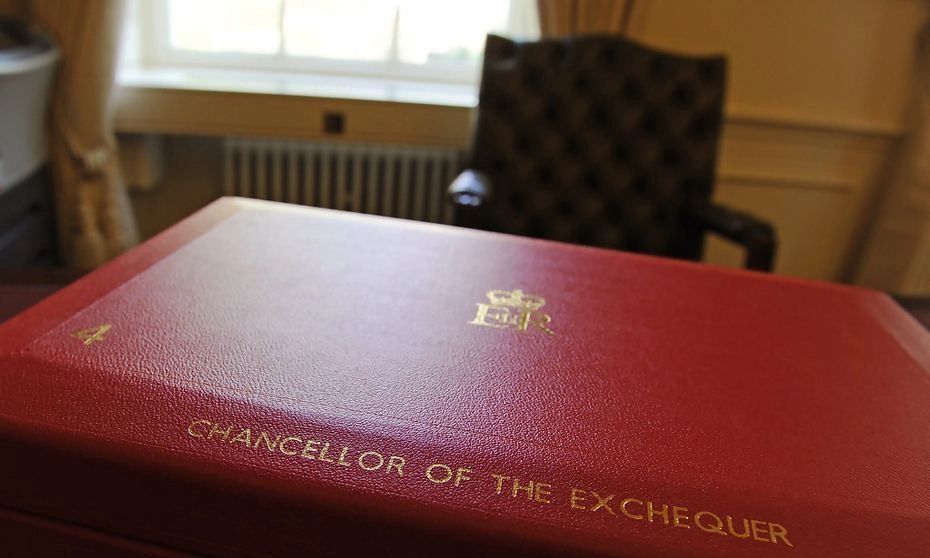
As I am sure you are aware, The Chancellor has delivered the Budget for 2024.
Below are some of the key points from this that may be of interest, some of which were announced in previous financial statements :
Income Tax
No change:
Income Tax thresholds will remain frozen until April 2028.
Therefore:
Current Year: 2023-24 (6th April 23 to 5th April 24)
20% Basic Rate from £12,570 to £50,270
40% Higher Rate from £50,270 to £125,140
45% Additional Rate from £125,140
Year: 2024-25 (6th April 24 to 5th April 25)
20% Basic Rate from £12,570 to £50,270
40% Higher Rate from £50,270 to £125,140
45% Additional Rate from £125,140
--------
The Personal Tax-free Allowance remains frozen at £12,570.
Note: Personal Allowance = amount of income tax-free a person can earn if total income under £100K; after £100K the amount is decreased by £1 for every £2 of income up to £125,140. If Income is equal to or above £125,140 then the Personal Allowance is not applicable.
National Insurance
A further percentage reduction of 2% will be made to PAYE Employee NI from 6th April 2024.
A further percentage reduction of 2% will be made to Sole Traders NI from 6th April 2024.
Previously announced in November 2023:
A percentage reduction of 2% was made to PAYE Employee NI from 6th January 2024
Therefore, a total reduction of 4% including the Budget 2024 announcement
A percentage reduction of 1% will be made to Sole Traders NI from 6th April 2024
Therefore, a total reduction of 3% including the Budget 2024 announcement
Class 2 NI for the Self Employed (which was £3.45per week) will be abolished from 6th April 2024.
NI Thresholds will remain frozen until 2028.
Therefore:
Current Year: 2023-24 (6th April 23 to 5th April 24)
- Employee 12% NI threshold (above which NI is paid; reduced to 10% from Jan 2024) = £12,570
- Employee 12% NI Upper Earnings Limit (up to which the full rate NI is paid; reduced to 10% from Jan 2024) = £50,270
- Employee 2% NI Upper Earnings over £50,270
- Employers 13.8% NI threshold (above which NI is paid by Employers) = £9,100
- Employers NI Allowance : for Employers that pay staff, where Employers NI is applicable = £5,000
- Sole Trader 9% NI threshold (above which NI is paid) increased = £12,570
- Sole Trader 9% NI Upper Earnings Limit (up to which the full rate NI is paid) = £50,270
- Sole Trader 2% NI Upper Earnings over £50,270
- Sole Traders Class 2 NI = £3.45 per week
Year: 2024-25 (6th April 24 to 5th April 25)
- Employee 8% NI threshold (above which NI is paid) = £12,570
- Employee 8% NI Upper Earnings Limit (up to which the full rate NI is paid) = £50,270
- Employee 2% NI Upper Earnings over £50,270
- Employers 13.8% NI threshold (above which NI is paid by Employers) = £9,100
- Employers NI Allowance : for Employers that pay staff, where Employers NI is applicable = £5,000
- Sole Trader 6% NI threshold (above which NI is paid) increased = £12,570
- Sole Trader 6% NI Upper Earnings Limit (up to which the full rate NI is paid) = £50,270
- Sole Trader 2% NI Upper Earnings over £50,270
Dividends
The 0% band was reduced from £2,000 to £1,000 in April 2023 and then will be further reduced to £500 in April 2024.
Therefore:
Current Year 2023-24 (6th April 23 to 5th April 24)
0% Rate from £0 to £1,000
8.75% Basic Rate from £1,001 to £50,270
33.75% Higher Rate from £50,271 to £125,140
39.25% Additional Rate from £125,140
Year: 2024-25 (6th April 24 to 5th April 25)
0% Rate from £0 to £500
8.75% Basic Rate from £500 to £50,270
33.75% Higher Rate from £50,271 to £125,140
39.25% Additional Rate from £125,140
High Income Child Benefit Charge
The High Income Child Benefit Charge thresholds will be increased from 6th April 2024.
Currently, if a taxpayer and their partner each individually earn less than £50,000 a year they receive the full amount of Child Benefit. However, if the taxpayer or the partner earn more than £50,000 individually they have to pay some or all of the Child Benefit back to the government, via Self Assessment.
The current rules are:
- 1% of Child Benefit is repayable for every £100 earned over £50,000 by an individual
- If an individual has income above £60,000 then the full amount of Child Benefit is repayable.
From 6th April 2024 the thresholds will be increased to £60,000 (below = full Child Benefit allowed) and £80,000 (greater than = 100% reclaim; under but above £60,000 = tapered reclaim). Therefore :
- 1% of Child Benefit is repayable for every £200 earned over £60,000 by an individual
- If an individual has income above £80,000 then the full amount of Child Benefit is repayable.
The Government has a desire to move the High Income Benefit Charge to be based on a household's income rather than at individual level. A review will now occur and the change may be made for April 2026.
Making Tax Digital : Sole Traders & Property Landlords
HMRC have been assessing over the last few months whether Sole Traders & Landlords with Incomes in the range of £10,000 and £30,000 will need to report additionally to HMRC after all (they stated this would not be the case in December 2022).
In November the government announced the results of their summer analysis. From this, the current MTD threshold od £30,000 will be maintained. Therefore, only clients with Sole Trader or Landlord Income of over £30,000 will fall within the Making Tax Digital rules.
Background:
In 2020 HMRC announced that Sole Traders & Landlords with Incomes in excess of £10,000 per year would have to declare income and expenses every quarter, rather than just annually via Self Assessment, from April 2024.
Already, VAT registered businesses have to action in this way.
This is in line with the Government's 'Making Tax Digital' (MTD) directive where taxpayers from certain areas have to declare that they use Digital Records and declare information every 3 months - so 4 Quarters to be reported plus the usual Self Assessment.
Aims, from a Government perspective, are to ensure all taxpayers are declaring their income correctly and fully (I would argue that this is very much the case already but..) and to have information as to what to expect from tax receipts per quarter rather than at the end of the financial year.
This could lead to HMRC asking for tax payments per quarter but this has not yet been announced.
There was quite a backlash to the above from Businesses, Landlords and the Accountancy profession as this is seen by many (including myself) as needless, costly bureaucracy when HMRC's current systems are barely fit for purpose.
Fast forward to December 2022 and HMRC stated that MTD for Sole Traders & Landlords would change as follows:
- MTD for Sole Traders & Landlords will be delayed by two years until April 2026
- The Income threshold for mandatory reporting via MTD will be £30,000 rather than £10,000
- Landlords or Sole Traders that have a turnover for either business above £30,000 but less than £50,000 will not be mandated into MTD until April 2027
I thought this was the end of the matter for 95% of my clients as they have Income less than £30,000, with the 5% above to be helped when the time comes, but HMRC launched a further assessment of who falls within the scope of the project in July 2023.
PAYE
Limited Company Director Salary:
- The maximum level of Annual Salary for Limited Company Directors will remain at £9,100 (NI Secondary Employers Threshold) = £758 pcm until April 2028 . This is the maximum Salary that can be taken before any Income Tax or NI is due and saves a Sole Director Company circa £1,730 in Corporation Tax per year
- Even though £0 NI will become due, the above Director Salary still counts as a 'State Pension Year' as it is over the 'Small Profits NI Threshold' of £6,396 .
National Living Wage
The National Living Wage (NLW) will increase from £10.42 per hour to £11.44 per hour from 6th April 2024
VAT
The VAT Registration Threshold is to be increased from the current level of £85,000 to £90,000 from 1st April 2024.
Any business with Income over £90,000 in any 12 month period must be VAT Registered,
Savings/ Interest Taxation
Bank/Savings interest are still tax-free up to £1,000 for Basic Rate Tax Payers (20% up to £50,270 of income ) and £500 for Higher Rate Payers (40% over £50,270 of income) for higher rate payers. Additional Rate Taxpayers (45%
over £125,140) must declare Bank/ Savings interest of all amounts (except ISAs) via Self Assessment as is fully taxable.
Corporation Tax
No change: 19% on Net Profits up to £50K and and then a tapered increase up to 25% for Net Profits over £250K.
Capital Gains Tax : Properties
The Higher Rate of Capital Gains Tax relating to the sale Additional Properties will be reduced from 28% to 24% from 6th April 2024.
Previously announced :
The Tax Free Allowance was cut from £12,300 to £6,000 from April 2023 and will be further reduced to £3,000 in April 2024
Therefore:
Current Year: 2023-24 (6th April 23 to 5th April 24)
20% Basic Rate Income Tax Band from £6,000 to £50,270 = CGT Rate of 18%
40% Higher Rate + Income Tax Bands above £50,270 = CGT Rate of 28%
Year: 2024-25 (6th April 24 to 5th April 25)
20% Basic Rate Income Tax Band from £3,000 to £50,270 = CGT Rate of 18%
40% Higher Rate + Income Tax Bands above £50,270 = CGT Rate of 24%
Note:
When an Additional Property (non-main home) is sold HMRC requires a CGT return and any payment of CGT due within 60 days of the completion date.