
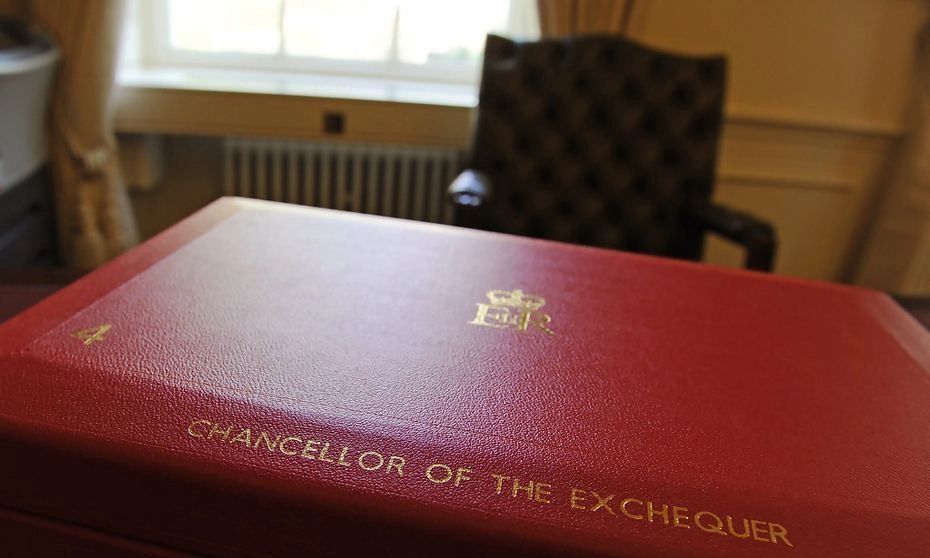
The Budget 2026
Wednesday 28th October 2026
Today, The Chancellor has delivered the Budget for 2026.
Below are some of the key points from this, and other recent fiscal events, that may be of interest :
Income Tax
No change.
Income Tax thresholds will remain frozen until April 2030.
20% Basic Rate from £12,570 to £50,270
40% Higher Rate from £50,270 to £125,140
45% Additional Rate from £125,140
--------
The Personal Tax-free Allowance remains frozen at £12,570.
Note: Personal Allowance = amount of income tax-free a person can earn if total income under £100K; after £100K the amount is decreased by £1 for every £2 of income up to £125,140. If Income is equal to or above £125,140 then the Personal Allowance is not applicable.
National Insurance
No change.
NI thresholds will remain frozen until April 2030.
Therefore :
- Employee 8% NI threshold (above which NI is paid) = £12,570
- Employee 8% NI Upper Earnings Limit (up to which the full rate NI is paid) = £50,270
- Employee 2% NI Upper Earnings over £50,270
- Employers 15% NI threshold (above which NI is paid by Employers) = £5,000
- Employers NI Allowance : for Employers that pay staff, where Employers NI is applicable = £10,500
- Sole Trader 6% NI threshold (above which NI is paid) increased = £12,570
- Sole Trader 6% NI Upper Earnings Limit (up to which the full rate NI is paid) = £50,270
- Sole Trader 2% NI Upper Earnings over £50,270
Dividends
No change.
Therefore :
OR
The Dividend Tax rates will be increased from 6th April 2027 as follows:
Current Rates :
0% Rate from £0 to £500
8.75% Basic Rate from £500 to £50,270
33.75% Higher Rate from £50,271 to £125,140
39.25% Additional Rate from £125,140
Rates from 6th April 2026 :
0% Rate from £0 to £500
10.75% Basic Rate from £500 to £50,270
35.75% Higher Rate from £50,271 to £125,140
39.25% Additional Rate from £125,140
Property Landlords
From April 2027 Landlords profits on Additional Properties that are let will be subject to separate Income Tax rates that are 2% higher than the base rates.
Therefore :
22% Basic Rate from £12,570 to £50,270
42% Higher Rate from £50,270 to £125,140
47% Additional Rate from £125,140
Capital Gains Tax : Sale of Additional Property
From XX the CGT rates will increase as follows :
Current Rates :
£3,000 Tax Free Allowance
£3,000 to £50,270 = CGT Rate of 18% (20% Basic Rate taxpayers)
Above £50,270 = CGT Rate of 24% (40% Higher Rate & 45% Additional Rate taxpayers)
Rates from XX :
£3,000 Tax Free Allowance
£3,000 to £50,270 = CGT Rate of 18% (20% Basic Rate taxpayers)
Above £50,270 = CGT Rate of 24% (40% Higher Rate & 45% Additional Rate taxpayers)
Please note:
When an Additional Property (non-main home) is sold HMRC requires a CGT return and any payment of CGT due within 60 days of the completion date.
Capital Gains Tax : Non-Property
From XX the CGT rates will increase as follows :
Current Rates :
£3,000 Tax Free Allowance
£3,000 to £50,270 = CGT Rate of 18% (20% Basic Rate taxpayers)
Above £50,270 = CGT Rate of 24% (40% Higher Rate & 45% Additional Rate taxpayers)
Rates from XX :
£3,000 Tax Free Allowance
£3,000 to £50,270 = CGT Rate of 18% (20% Basic Rate taxpayers)
Above £50,270 = CGT Rate of 24% (40% Higher Rate & 45% Additional Rate taxpayers)
Business Asset Disposal Relief
No change.
Business Asset Disposal Relief (BADR) = 18%
Note: BADR was formerly known as Entrepreneurial Relief and is applicable when a company wishes to close and has assets less than £25,000.
Pension
Employees Pension Contributions via Salary Sacrifice will be capped at £2,000 from April 2029.
Currently, there are 3 ways of treating Employee Pension Contributions:
- Net Pay Arrangement : Full Pension Relief from PAYE as Employee is Taxed after Pension Contribution have been deducted
- Salary Sacrifice : Similar to the Net Pay Arrangement but the Employee's Salary is reduced and from this will pay less National Insurance (as will the Employer). Full Pension Relief from PAYE as Employee is Taxed after Pension Contribution have been deducted.
- Relief at Source : Basic 20% Rate Pension Relief Only (via addition to Pension Pot) as Employee is taxed on all PAYE with Higher Rate & Additional Rate Taxpayers claiming additional Tax Relief via Self Assessment
It may be that an Employer that operates via Salary Sacrifice will remain on the scheme but at a lower rate to £2,000 with the remainder as a Net Pay Arrangement or they may fully switch to a Net Pay Arrangement or even Relief at Source - affected clients will need to ascertain information from their employer.
PAYE
Limited Company Director Salary : An increase to XXX in line with the tax-free Personal Allowance from XX
£1XXXX will be the maximum that can be taken before any Income Tax saving £XXX at 19% rate of Corporation Tax*. However, NI is due on the amount over £5,000 (the Employers NI Threshold) = £XXX at 15% = £XXXX. Corporation Tax can be saved on this of £XX at 19%. Therefore, a Net Tax Saving from Director Salary of £XXX per year can be achieved.
*The tax saving is greater if the Director's company has profits over £50K as Corporation Tax increases to up to 25% on a tapered scale up to profits of £250K
Corporation Tax
No change.
19% on Net Profits up to £50K and and then a tapered increase up to 25% for Net Profits over £250K.
The top rate of tax at 25% has been set until 2030.
VAT
The VAT Registration Threshold will remain at £90,000.
Any business that has a Sales Turnover in any 12 month period of £90,000 or more must be registered for VAT.
High Income Child Benefit Charge
The High Income Child Benefit Charge thresholds are unchanged.
Thresholds :
£60,000 (below = full Child Benefit allowed) and £80,000 (greater than = 100% reclaim; under but above £60,000 = tapered reclaim).
Therefore :
- 1% of Child Benefit is repayable for every £200 earned over £60,000 by an individual
- If an individual has income above £80,000 then the full amount of Child Benefit is repayable.
Making Tax Digital : Sole Traders & Property Landlords
Making Tax Digital was implement from April 2026 for Sole Traders and or Landlords with Income over £50,000 from their businesses*.
From April 2027 Sole Traders and or Landlords with Income over £30,000 from their businesses* will need to report their Income & Expenditure digitally every quarter.
From April 2028 Sole Traders and or Landlords with Income over £20,000 from their businesses* will need to report their Income & Expenditure digitally every quarter.
---
The Quarters will be as follows: Apr/May/Jun - Jul/Aug/Sep - Oct/Nov/Dec - Jan/Feb/Mar.
The way we do things won't change, as I can use the usual Excel records and link to digital software. What will change is the frequency of the data needed, though if you're a VAT registered business there will be little change as quarterly returns are already being sent.
There will also be a change to the way Self Assessments are actioned with 'Final Submissions' replacing Self Assessments for those that need to report under Making Tax Digital. Taxpayers will submit the same information to me; just how I report will change with the submission via Making Tax Digital software rather than direct to HMRC using there filing system
Affected clients to date will have been contacted by me about the process and their go-live date.
* Note: Sole Trader and Landlord income is classed as 'business income'.
Mileage Allowance
A special Mileage Allowance for 26/27 of 55p per mile up to 10,000 is due to end opn 5th April 2027.
From then, the old rate of 45p per mile will be applicable.
National Living Wage
The National Living Wage (NLW) will increase from £12.71 per hour to £12.71 per hour from 6th April 2027.
Savings/ Interest Taxation
The Cash Tax-free ISA Threshold will be lowered from £20,000 to £12,000 from 1st April 2027 for savers under the age of 65.
An additional £8,000 is available for savers under 65 if they invest in Shares.
Bank/Savings interest are still tax-free up to £1,000 for Basic Rate Tax Payers (20% up to £50,270 of income ) and £500 for Higher Rate Payers (40% over £50,270 of income) for Higher Rate Payers. Additional Rate Taxpayers (45%
over £125,140) must declare Bank/ Savings interest of all amounts (except ISAs) via Self Assessment as are fully taxable.
From April 2027 an additional 2% rate of Taxation will be applied to each Tax Band.
Therefore tax on Savings Interest above the Tax-free Savings Thresholds will be as follows :
22% Basic Rate from £12,570 to £50,270
42% Higher Rate from £50,270 to £125,140
47% Additional Rate from £125,140
-------